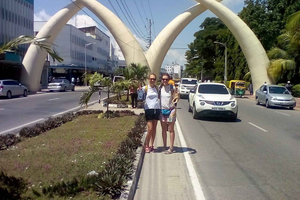
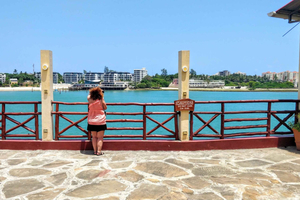
Kenya's landmarks tell stories you won’t find in any guidebook. Take Fort Jesus in Mombasa, for instance,sure, it's famous, but when you visit during the late afternoon, you’ll catch the light just right on those old Portuguese walls, and if you listen close, the waves and the locals chatting nearby bring history alive.
And then there’s Nairobi National Museum. Most visitors rush through, but if you linger, the ethnographic galleries and ancient fossils reveal a whole other Kenya, one that’s constantly changing yet deeply rooted. I always recommend timing your visit for the weekday mornings to avoid crowds and have a moment with some of the exhibits. Oh, and don’t skip the snake park outside,it can be surprisingly fun.
If you’re in Nakuru, the Menengai Crater is a sight to see. It’s easy to forget you’re standing on an ancient volcanic crater’s rim when the views stretch miles across the Rift Valley. Pro tip: bring water and wear sturdy shoes because the wind kicks up suddenly and the trails can be slippery. Seeing Kenya’s landmarks is more than ticking boxes; it’s about catching little moments,like chatting with a guide about Maasai beadwork or spotting a rare bird near a historic site,and that’s what makes them special.
🌍 Part of the My Guide Network180+ destinations worldwide
If you’re serious about landmarks in Kenya, don’t just visit during the heat of the day. Early mornings or late afternoons offer cooler temps, better photos, and fewer crowds. Also, consider tours led by local guides who grew up around the sites,those stories about the old caravan routes near Lamu or colonial Nairobi dates you won’t hear in a guidebook. I really like combining a stop at the Kazuri Beads workshop while in Nairobi for a quick dive into local arts after museum visits.
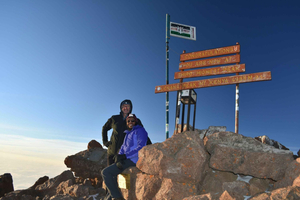
Oh, and if you’re heading up to Mount Kenya National Park, the trials around the mountain have historical points worth a pause. Trust me, those aren’t only for hikers but for anyone keen on old stories told by the landscape.
Frequently Asked Questions
Got questions about Kenya’s landmark tours? Here are a few answers to help you out.
Absolutely, many landmarks like Gedi Ruins or Karen Blixen Museum are kid-friendly, especially if you pick a guide who knows how to tell stories that keep little ones interested. Just plan for plenty of breaks and carry snacks.
Early mornings on weekdays tend to be quieter. For example, Nairobi National Museum gets busy around midday, so try showing up at 9 AM. Also, off-peak seasons like late April can be surprisingly calm.
You can do both, but a local guide really adds layers. They share stories and details you might miss. For places like Fort Jesus or Lamu Old Town, a guide can point out hidden spots and explain centuries-old customs.
It depends on the site. For museums like the Nairobi National Museum, 2-3 hours is good. Outdoor spots like Menengai Crater might take half a day if you want to hike and take photos at a relaxed pace.
Some places like the Nairobi National Museum have ramps and facilities, but others, especially historic ruins or older sites like Fort Jesus, can be rough terrain with stairs. It helps to check in advance with the tour operator.
For sure. Many clients combine a visit to Lake Naivasha with Crescent Island Sanctuary for wildlife and then swing by the nearby Crater Lake Game Sanctuary. It’s about mixing history and nature in one trip.