Kenya isn’t just about the incredible wildlife or stunning landscapes – its food and drink tell stories too, and tasting sessions offer a way to connect deeply with that culture.
You can find authentic tastings in places like Nairobi’s Lavington or Karen where boutique coffee roasters invite you to savor world-class beans right where they source them. Ever tried Kenyan coffee straight from a small farm near Nyeri? It’s a revelation if you ask me, far richer than anything you get in a chain cafe.
Don’t overlook the local brews either. Craft beer is on the rise in Nairobi’s Westlands and Mombasa’s old town has spots brewing palm wine – yes, palm wine – a sweet, tangy traditional drink that’s quite the experience. And for something completely different, visit a local beekeeper around Thika to sample fresh honey varieties and learn why Kenyan honey tastes so distinct.
One tip? Ask if you can join a tasting during off-peak times – you get to chat more, ask questions, and sometimes sneak a behind-the-scenes look. Also, try the street food tastings in places like Gikambura market if you want an unfiltered Kenyan street food experience with flavors you won’t find elsewhere.
🌍 Part of the My Guide Network180+ destinations worldwide
If you love coffee, skip the usual cafes and try to visit a roastery or farm around central Kenya, like in Kiambu or Nyeri. The difference between freshly roasted beans and what you get in shops is huge.
Also, don’t overlook street food tastings. They’re informal, loud, sometimes chaotic, but super rewarding. Places like Gikambura market in Nairobi have stalls selling freshly grilled meat and local veggies – a real taste of everyday Kenyan life. Bring cash, and a sense of adventure.
Frequently Asked Questions
Got questions about tastings in Kenya? Here’s what locals often get asked.
Head to Nairobi’s Karen or Lavington neighborhoods – several small roasters open their doors for tastings. If you’re up for a day trip, farms near Nyeri offer coffee tours that include sampling freshly roasted brews.
Yes, palm wine is generally safe when poured fresh and from reputable sources. In Mombasa’s old town, several local spots serve it, and it’s worth trying just for the unique sweet-sour taste. Just make sure it’s freshly tapped.
Many tastings focus on staples like ugali, chapati, and sukuma wiki – all vegetarian-friendly. Some markets and food tours highlight plant-based dishes but check ahead since meat often features heavily in traditional menus.
Late dry season, around August to October, is when beekeepers usually harvest honey. Visiting farms near Thika during this time will give you access to the freshest varieties.
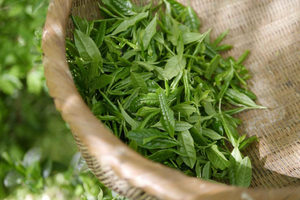
Absolutely. Some coffee and tea farm tours include visits to nearby villages where you can enjoy local meals and hear stories firsthand. It’s a fantastic way to go beyond the usual tourist circuit.