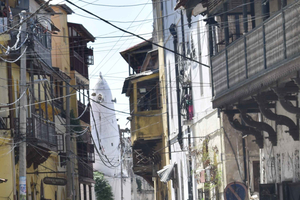
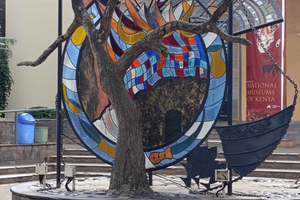
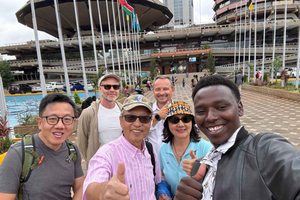
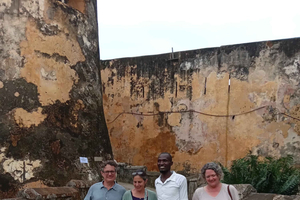
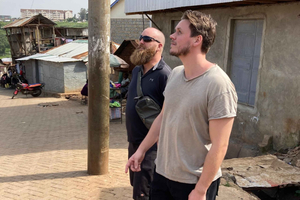
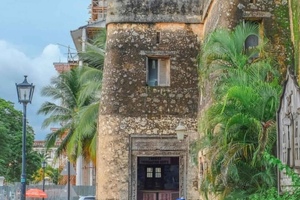
Kenya’s heritage sites are more than just old buildings or ruins , they’re snapshots of stories shaped by centuries of people, power, and change. Take Fort Jesus in Mombasa for instance. It’s not just an old Portuguese fort; it’s where you can actually feel the waves of history crashing in, from swahili traders to Omani sultans. And if you find yourself in Nairobi, the Karen Blixen Museum isn’t just about the famous author, it’s about colonial Kenya and the lives intertwined with that era’s complicated past.
Venturing a bit off the beaten path, sites like Thimlich Ohinga near Migori show you ancient stone ruins that are less talked about but offer deep insight into pre-colonial settlement patterns. Trust me, that morning light on those stones is something else. Pro tip: go early before the heat, and bring a guide who can tell you stories you won’t find online. Places like these remind you Kenya’s history isn’t one story, it’s many , all layered in the land itself.
🌍 Part of the My Guide Network180+ destinations worldwide
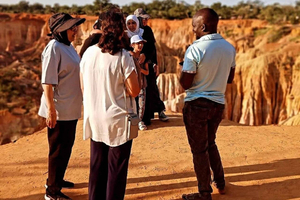
If you're planning to explore Kenya’s heritage spots, wear comfortable shoes , some sites have uneven terrain or unpaved paths. And try to visit early in the day to avoid midday heat, especially around coastal or highland areas. If you’re heading to somewhere less touristy, like Thimlich Ohinga or the Kaya Forests along the coast, picking a local guide is worth every shilling; they’ll not just point out ruins but share cultural stories and even local legends that bring history alive in ways you can’t get from a guidebook.
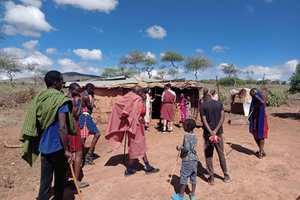
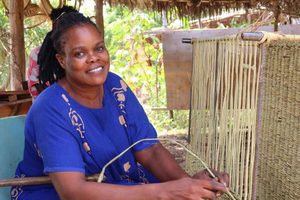
Also, don’t overlook smaller community-run heritage sites. They often operate on a shoestring and appreciate respectful visitors who ask questions and support preservation efforts. It’s a chance to connect directly with people keeping Kenya’s history alive today.
Frequently Asked Questions
Got questions about Kenya’s heritage sites? Here are some answers you might find handy.
Some are, some aren’t. Fort Jesus in Mombasa is pretty accessible by local matatus and motorbikes, while places like Thimlich Ohinga need a bit of planning , you’ll probably want to hire a car or join a small tour for those.
I’d say yes, whenever you can. Guides know the stories and nuances that signs don’t cover. At places like Gede Ruins on the coast, it transforms a walk through old stones into a full experience.


Mostly, yes! Sites like the Nairobi National Museum and Fort Jesus have enough space to keep kids interested. Just watch the heat and bring water , some spots don’t have shade or facilities nearby.
Try visiting during Kenya’s dry seasons, between June and September or January to February. Less mud on dirt roads and easier to explore without sweating buckets.
Absolutely. For example, after visiting Fort Jesus, you can stroll the Old Town in Mombasa. Near Nairobi National Museum, you can also check out the snake park or the nearby botanical gardens.
Most of the government-managed sites like Fort Jesus or Gede Ruins charge a small entry fee, usually manageable. Always carry some cash because card payment isn’t guaranteed.